| |
|
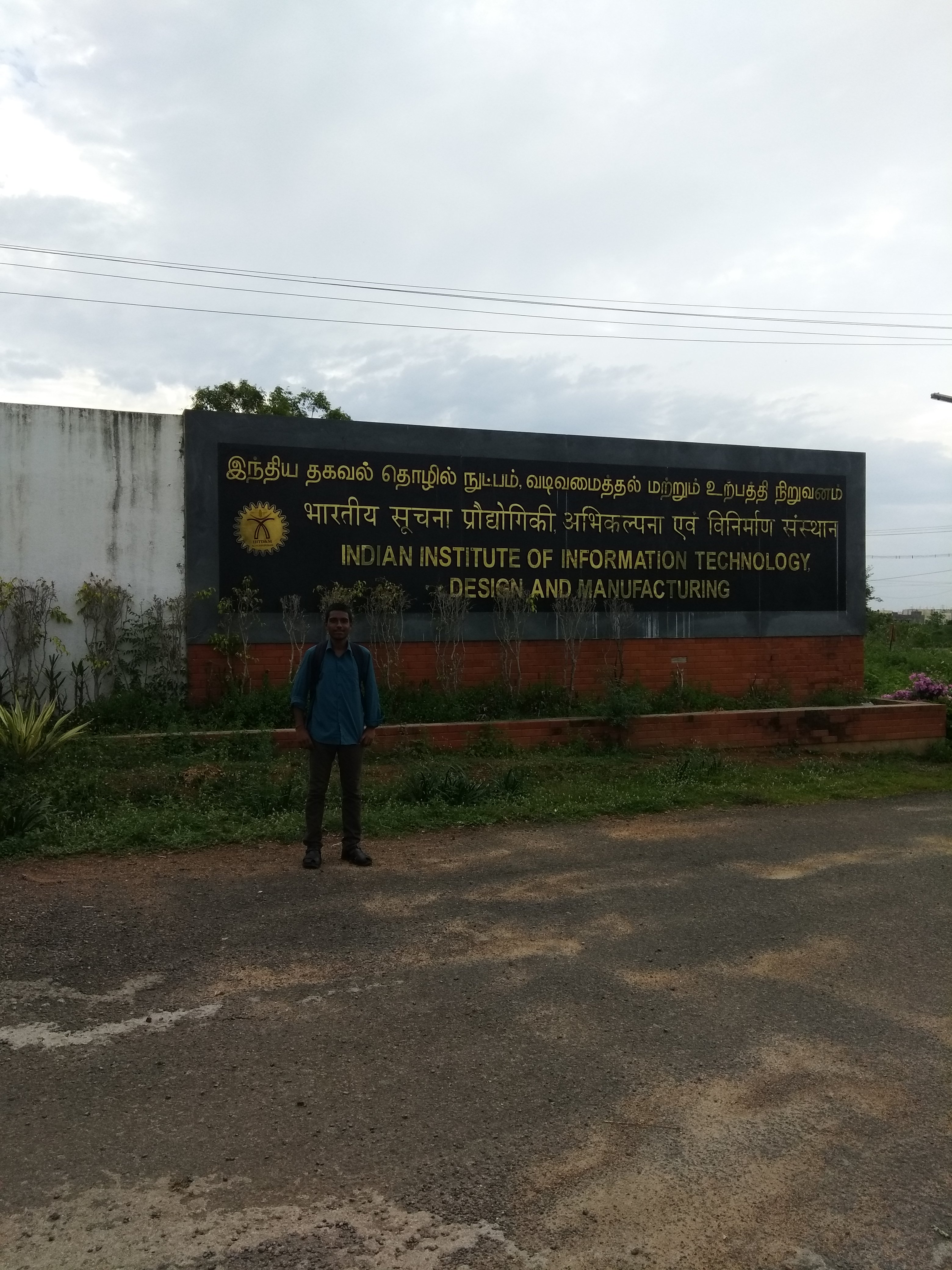
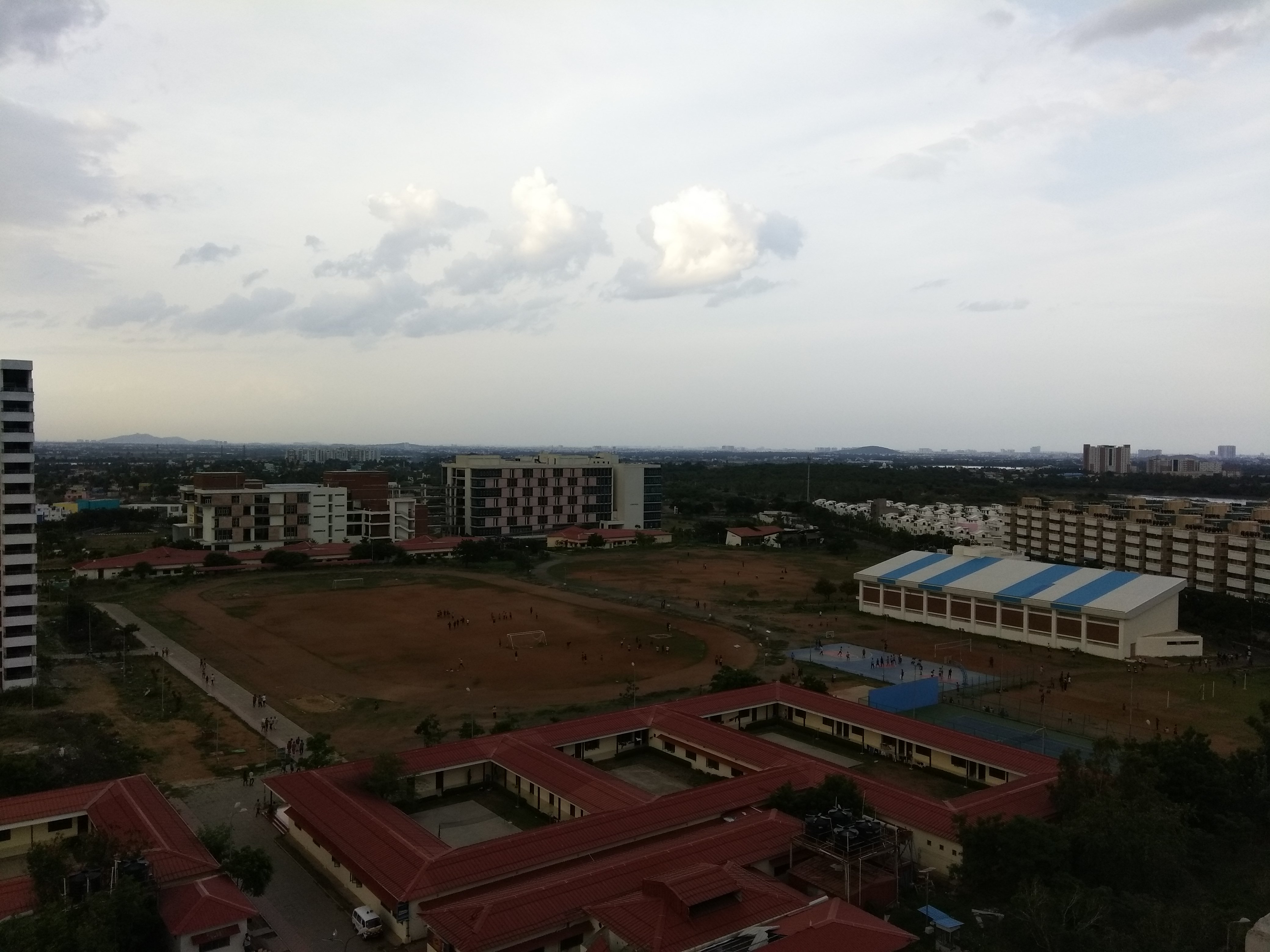
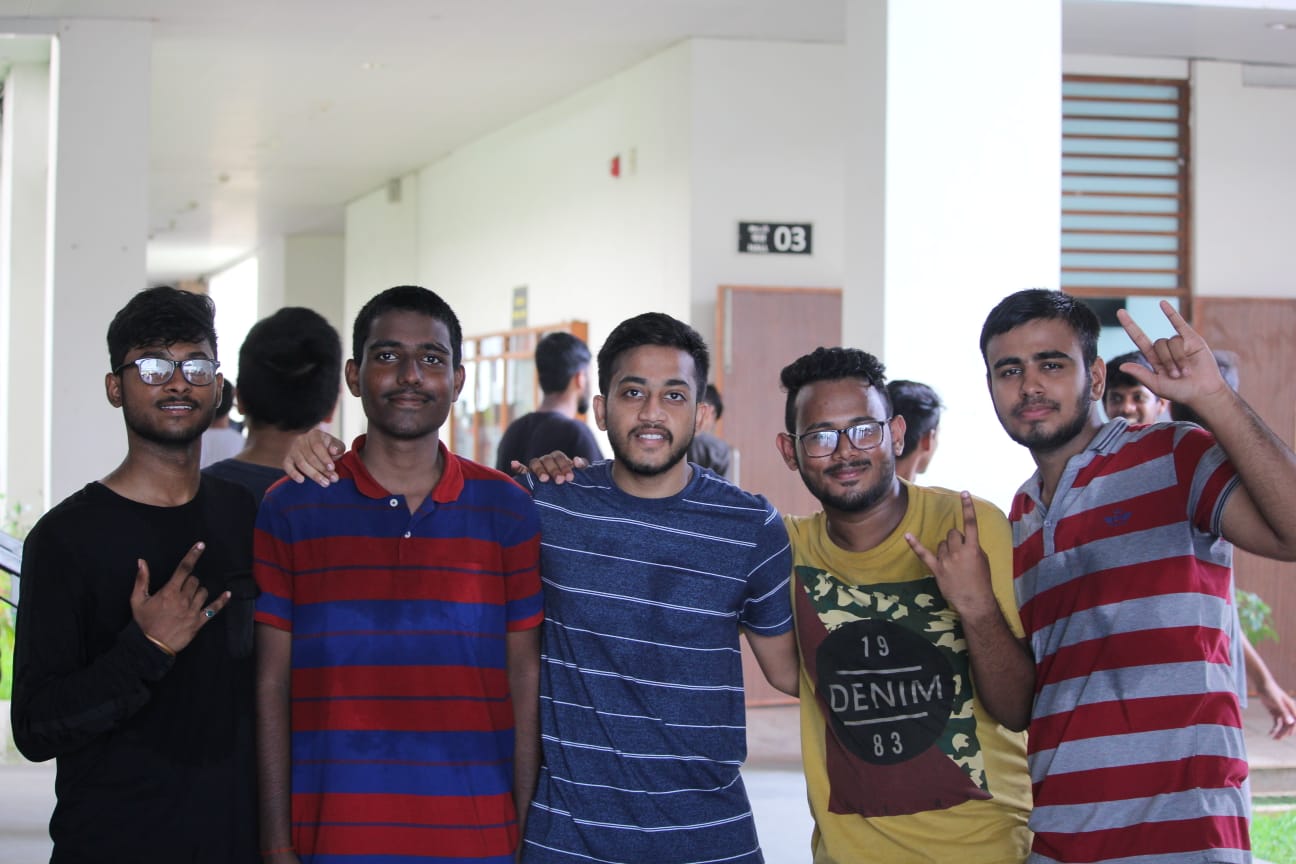
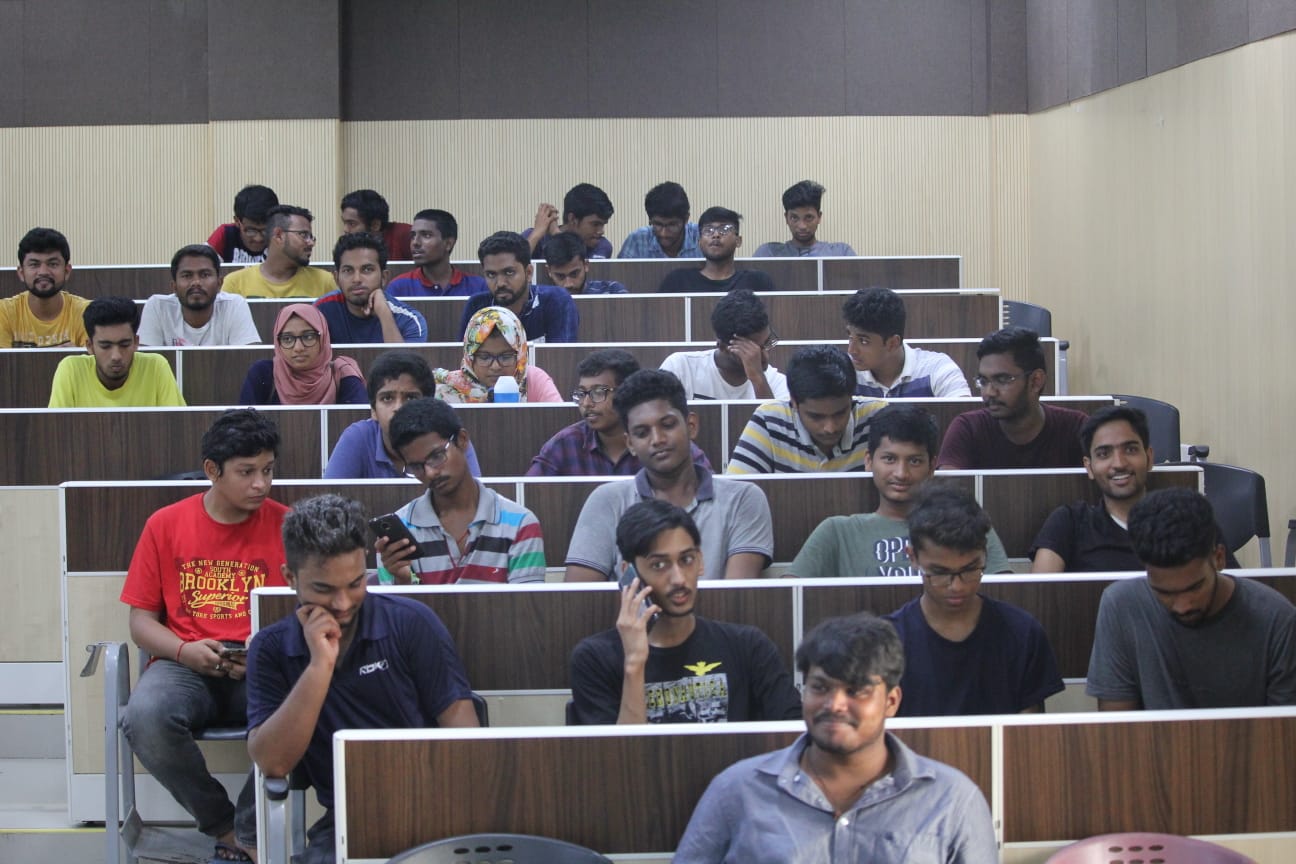
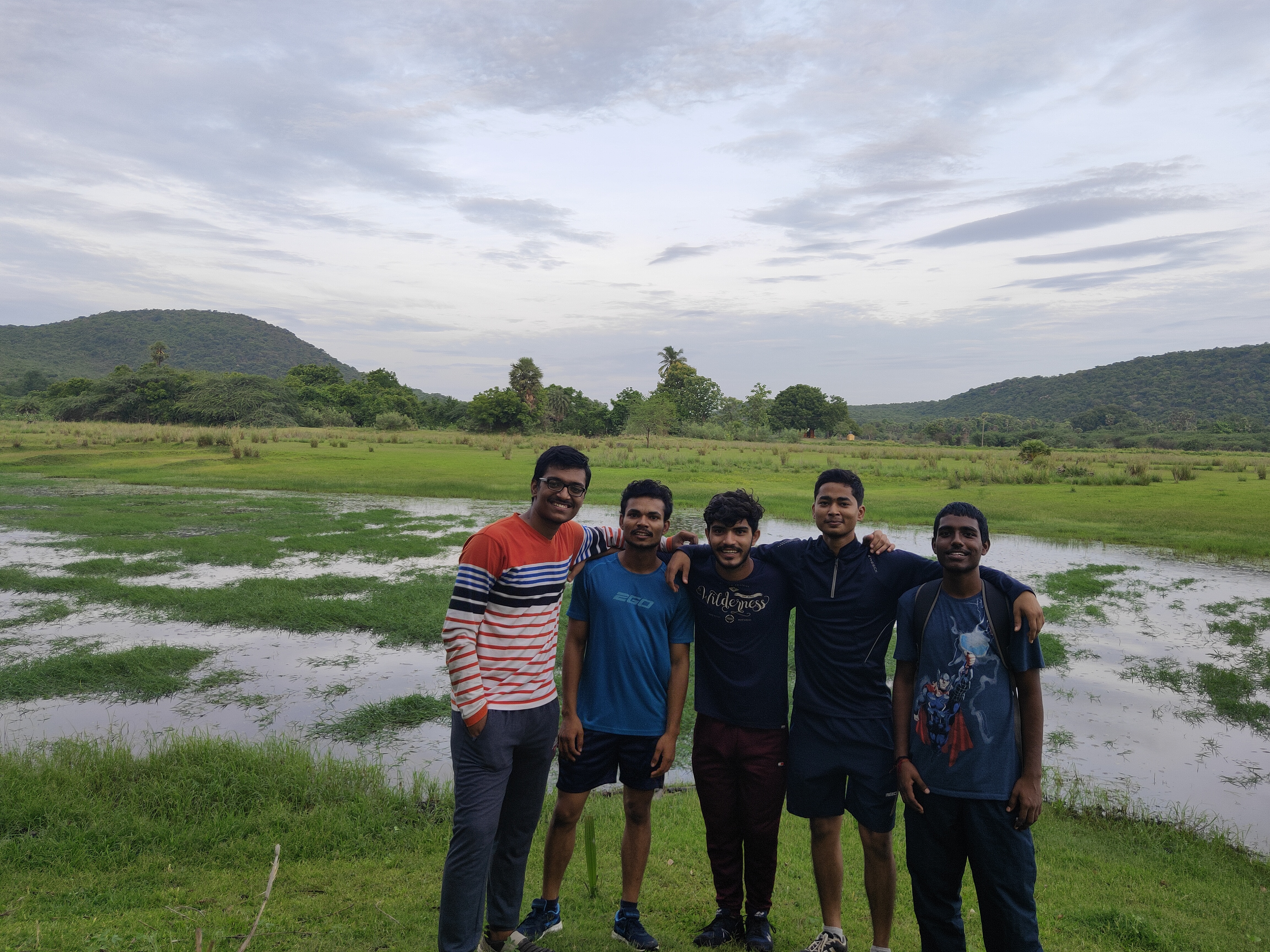
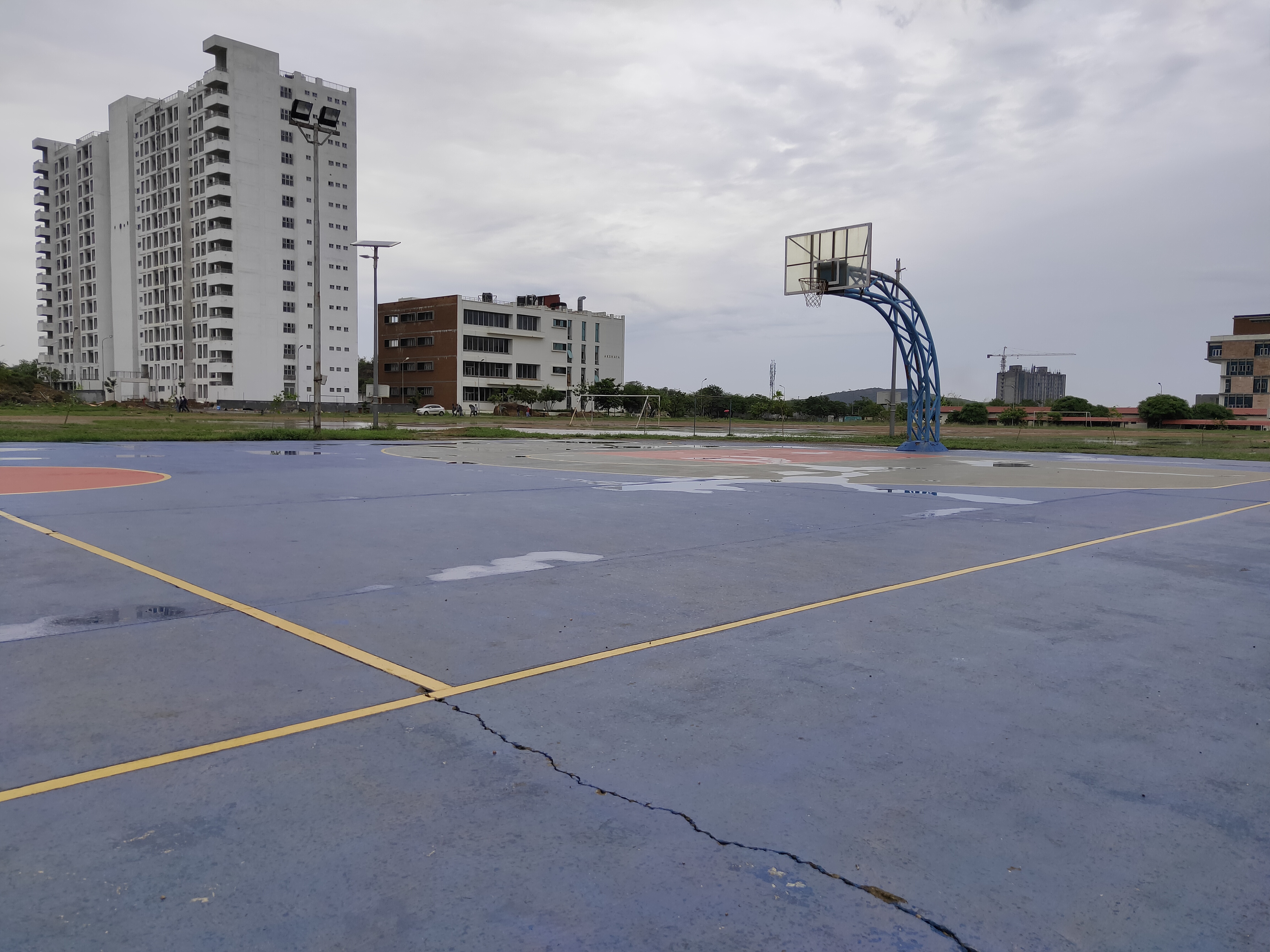
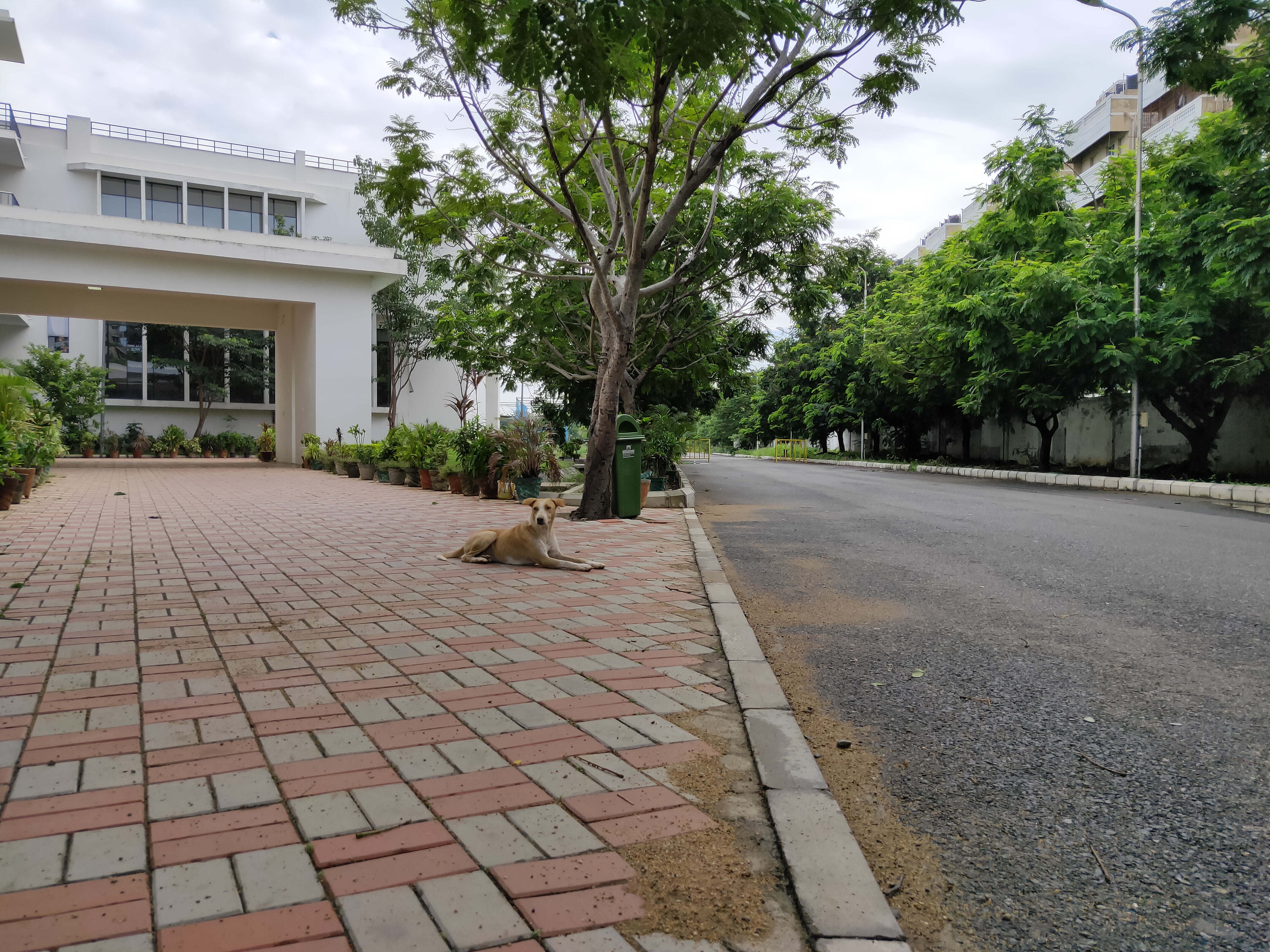
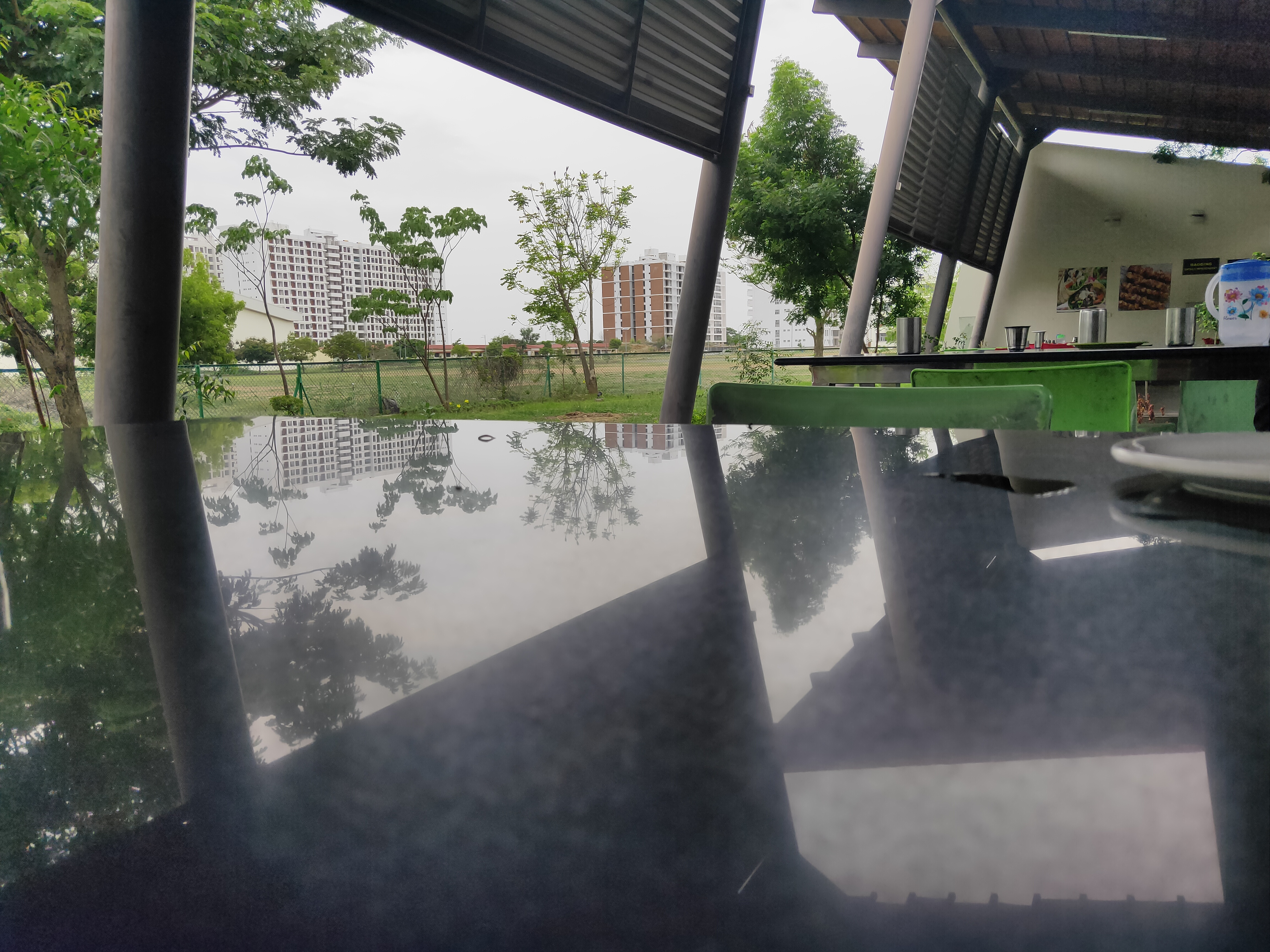
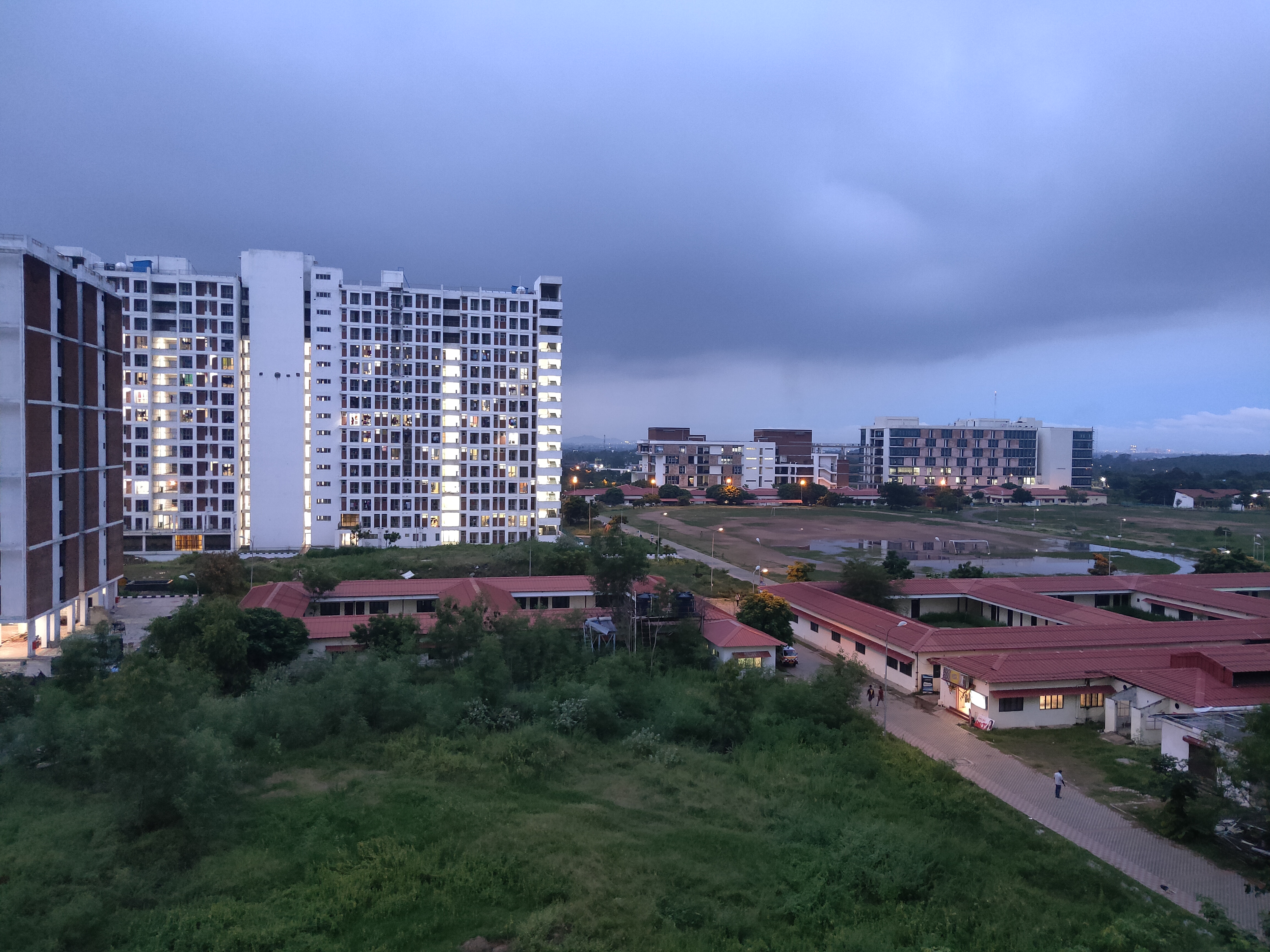
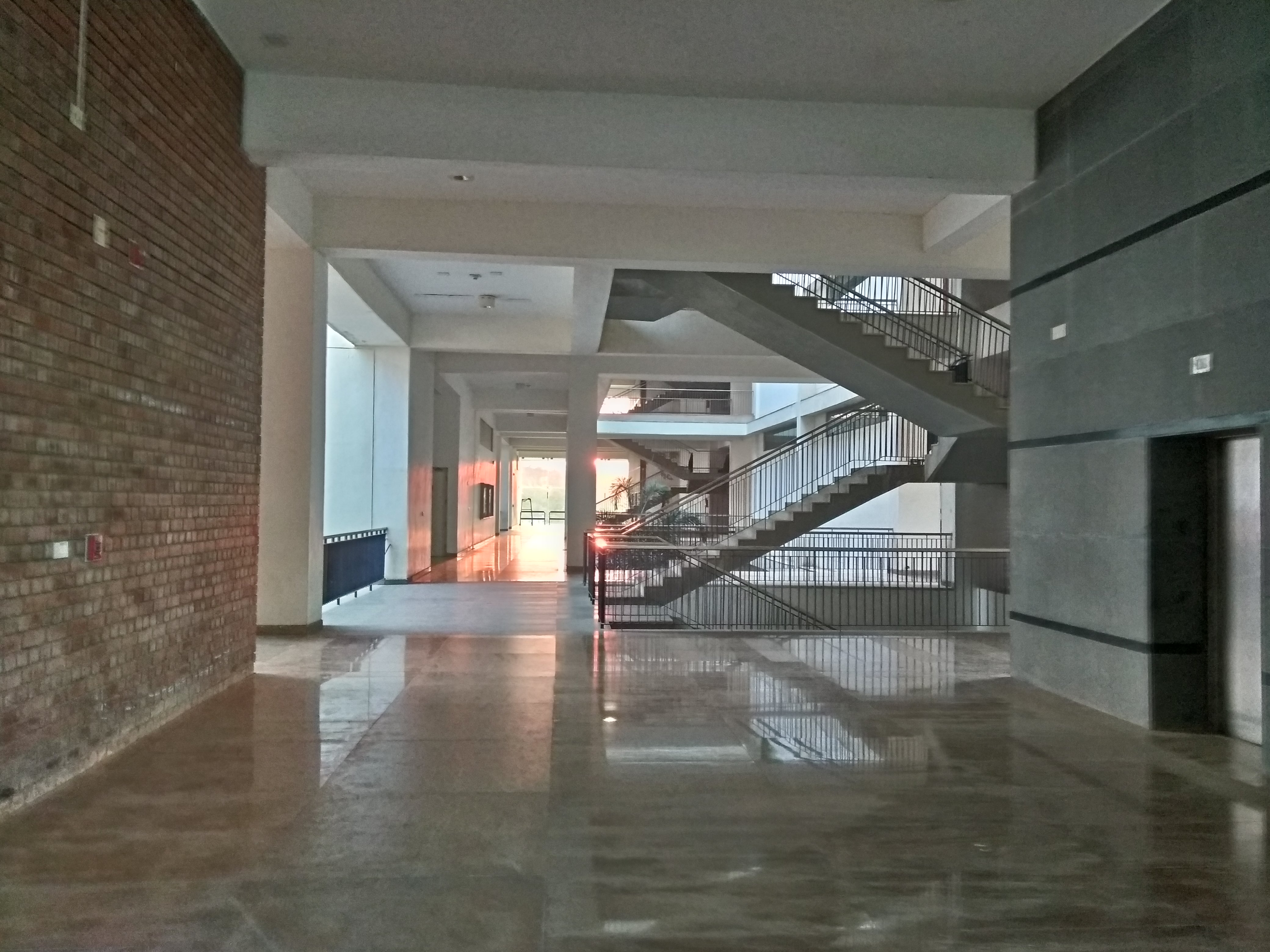
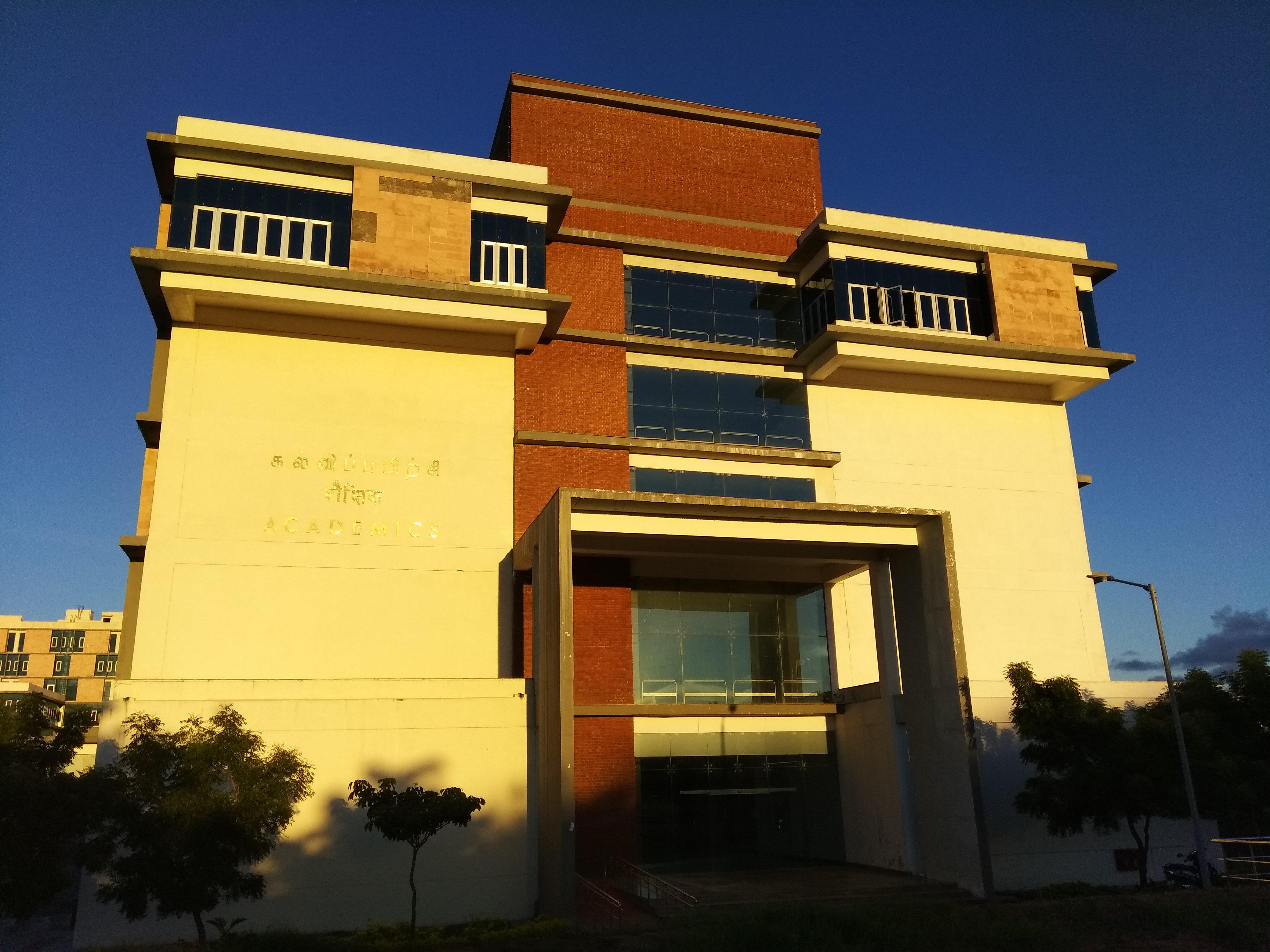
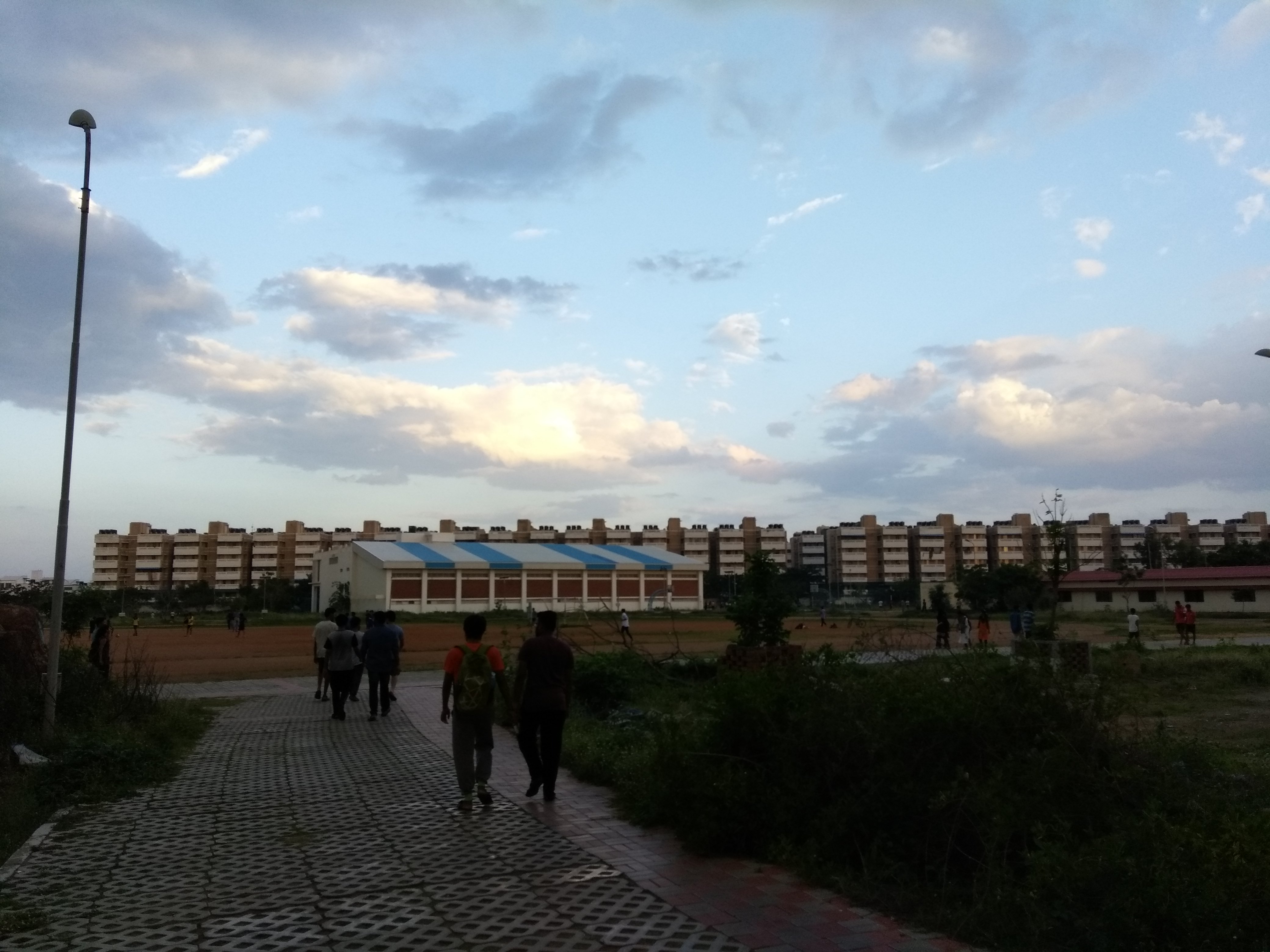
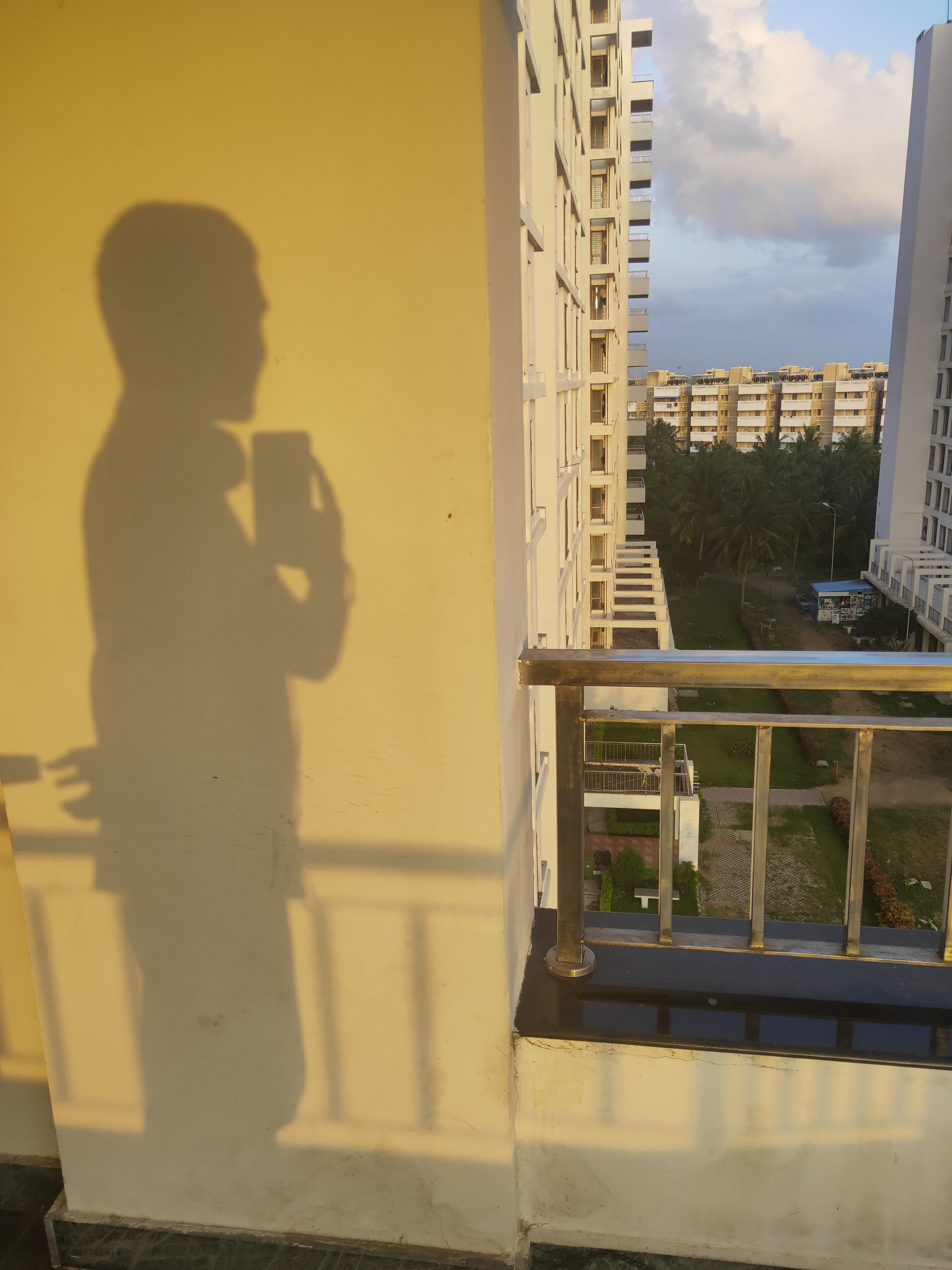
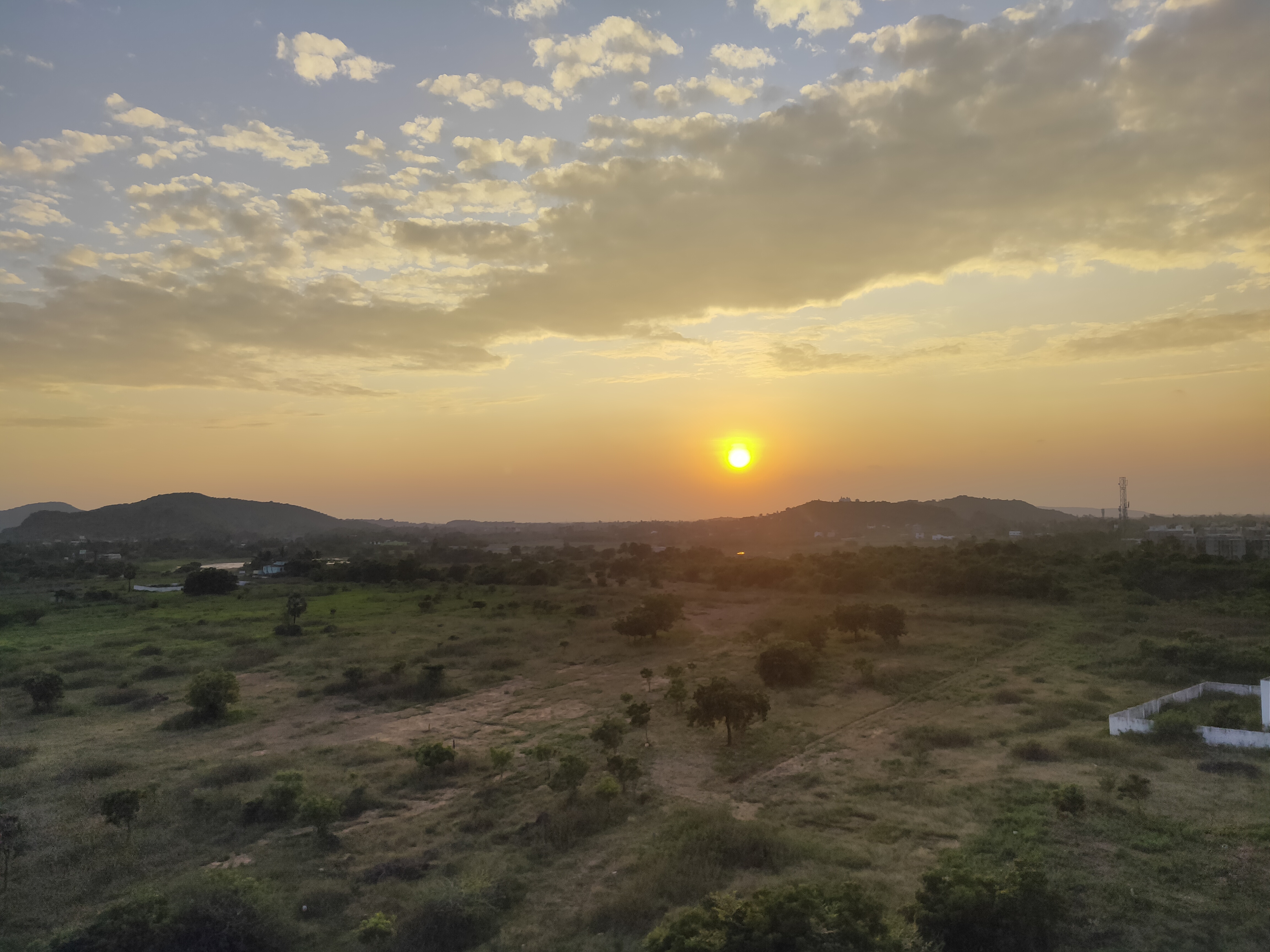
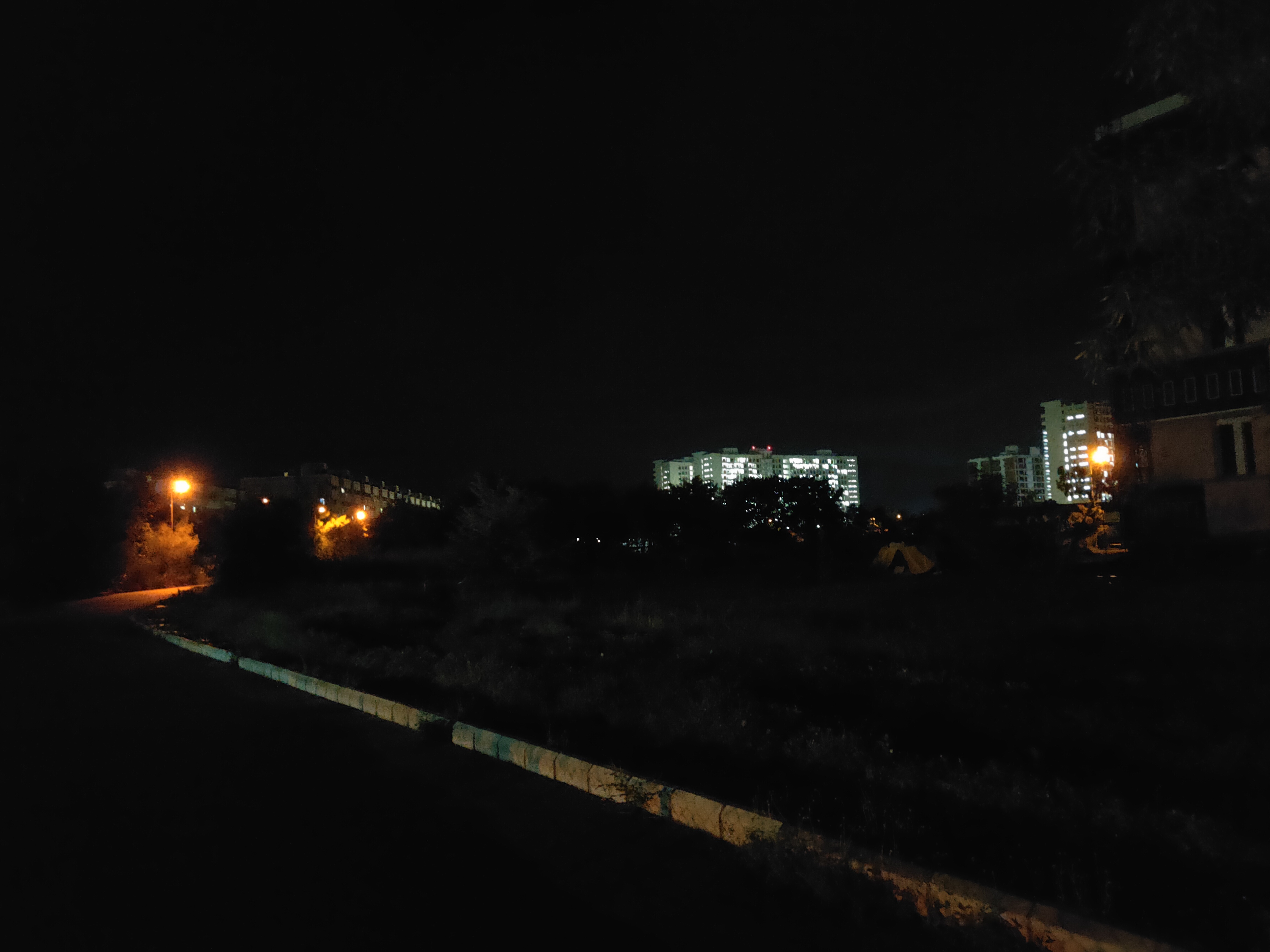
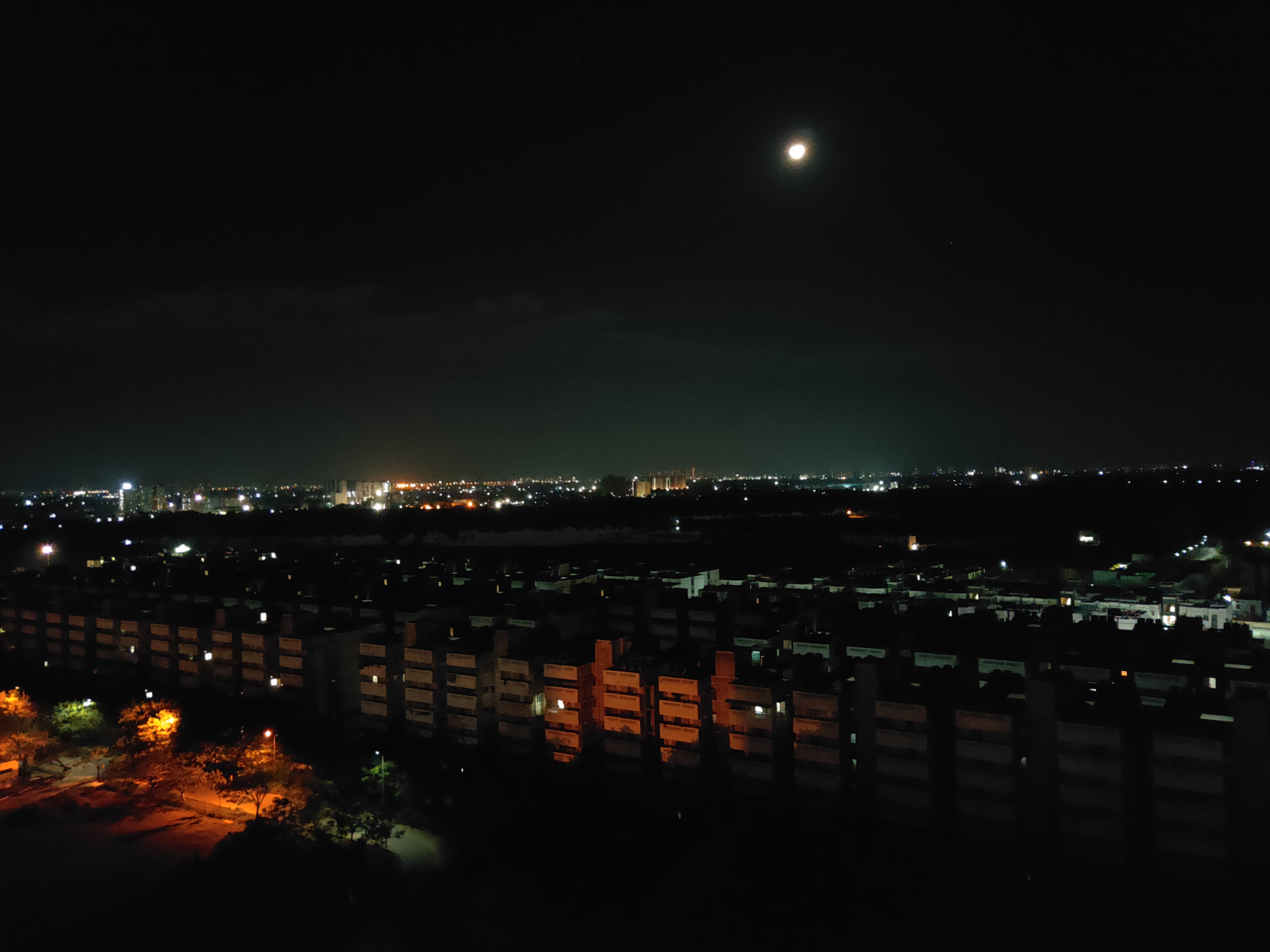
Once upon a time in Kandigai, a constellation of young souls arrived from every corner of India — each carrying dreams, ambitions, and a distinct flavour of the world they came from. Among them was Karthikeyan, who walked through those gates as EVD 18 and would leave transformed, as CED 18. What changed him was not merely a curriculum or a campus — it was the rare alchemy of the people he found there. There was something unique about the friends at IIITDM Kancheepuram: the sheer quantity, variety, and versatility was unmatched — before or after. Karthikeyan would come to experience the same place across three distinct phases: Phase 1, the Pre-Covid first two years, raw and electric; Phase 2, Post-Covid and Pre-final year, reflective and recalibrating; and Phase 3, Post-Internship in the final semester, tinged with golden nostalgia. This is the story of one ordinary, extraordinary day in Phase 1. It begins not with an alarm, but with a bang. A heavy, insistent hammering on the door at precisely 5:15 in the morning — not unlike a minor earthquake. It is Ashish and Anirudh, unapologetic and energetic, dragging Karthikeyan out of sleep and into the cool pre-dawn air for badminton. The three make their way to Arjuna — the sports facility — as the campus breathes itself awake. Birds are chirping in the trees that line the paths. The sun is quietly, patiently rising through the police quarters, casting long amber shadows across the grounds. The matches that follow are intense, each rally a small battle, each point hard-won. There is no better way, it turns out, to greet a Monday. After the matches, the group heads to Akshaya Mess for breakfast. Akshaya — the one and only mess for the entire institute — is less a eating place and more the beating heart of IIITDM. At the breakfast table, they join the Mayank-Manas-Anant circle, informally known among their peers as the toppers' table. Unlike Karthikeyan's crew, who had spent the early morning chasing shuttlecocks, Mayank, Manas, and Anant probably spent theirs casually practising Fourier Transforms. It is a gentle, good-humoured collision of worlds. Pleasantries exchanged, they part ways to their respective department lectures. The morning is just beginning. Monday mornings hold a special place in Karthikeyan's academic heart. The 9-to-10 slot belongs to Prof. Sadagopan, who teaches Algorithms not as a list of procedures to be memorised but as a living, breathing investigation. Into the lecture hall file the Computer Science students, among them Yoga — who believed every classroom entry required a certain level of swag. Then there were the Programming Pros — Haldhar, Dhruv and Rudra. They settle in, notebooks open, as Prof. Sadagopan begins. He has a philosophy that cuts against the grain of the JEE-grinding culture that most of them arrived from: the point of a lecture, he insists, is not to cover the syllabus but to uncover it. He puts forth a problem — today, it is Dijkstra's Algorithm — and the room transforms. Multiple pairs of eyes begin dissecting different aspects of the problem from different angles, arriving at the solution not as a destination but as a journey made together. The second half of the morning belongs to Prof. Sudhir, and the transition could not be more deliberate. From the abstract world of algorithms, the students step into Sociology — engineering abstractions gave way to human systems. He introduced us to business case studies, design-centric thinking, and social structures that shape technology. Sometimes the learning experiments were unconventional. One such experiment involved dancing to a bollywood song Kheech Meri Photo with an imaginary camera — absurd, yes, but also entirely the point. IIITDM had one mess for the entire institute. At lunch I sat with Ganesh, Aditya, and Anirudh, enjoying a full Andhra-style meal. Ganesh is, by any measure, a linguistic marvel — there is hardly a language he cannot speak. His instinct is always to speak in the local tongue of whoever he is talking to, but here in the mess, English serves as the common currency. To their right sits the Mallu gang. To their left, the Marathi Mandal. Directly in front, Tamil Saalaram. Behind them, UP-Bihar squad. In this single hall, every afternoon, India assembles itself: a self-organising republic of hunger, friendship, and warm rice. Around the afternoon slump, I met Anwaar and Shubham at Gurunathan Store. The three procure their essential sugar spike — the Choco Kavin, a ritual as non-negotiable as attendance — and brace themselves for the Hardware Lab. The Computer Science cohort reassembles, and the mood is immediately different. ARM programming is a deeply humbling experience for most. The majority of the class struggles. Only the selected few: Srinivasan, Kaushik, and Samarth, seem to have an innate grasp of hardware concepts. They become, by default and by generosity, the pillars everyone else clings to. The task for today: array addition in ARM. Something that sounds deceptively simple. But in the Hardware Lab, simple is never simple. The task looms like the Keerapakkam Hills behind campus — visible, unavoidable, and steep. The seating arrangement, dictated by roll call, places Sujoy to Karthikeyan's left, and Animesh to his right. All three are branch change students — a shared identity that carries its own quiet solidarity. Meanwhile the legendary Sujoy–Mihir–Prateek circle worked like magicians. Somehow they completed the entire lab in under an hour and still scored perfect marks. Nearby, Praveen is attempting to understand variable assignment from Srinivasan, Srini with the characteristic directness of someone who has explained this seventeen times already, says: "Dei, documenta refer pannudda" — a sentence that needs no translation for anyone who has lived through the Hardware lab. Karthikeyan and Animesh, meanwhile, have departed from ARM programming entirely and entered a different register — the philosophical. Who am I? Who witnesses everything, even during sleep? The lab hums around them. At 4:30, even the Teaching Assistants abandon their student vivas in favour of Snacks and tea at Akshaya. The walk across the sky bridge from the laboratory complex to the academic block offered a breathtaking view. On one side stood the library and administration building. On the other side lay Ashwatha–Ashoka hostels and the athletic grounds. Back at the hostel, I quickly dropped my bag and rushed to the west end of Ashwatha. Sunsets there were sacred. Missing one felt like a crime. As the sun dipped slowly behind the horizon, the campus glowed in gold. I often felt the sun, like me, must have been satisfied after a productive day. Now it could rest. Evenings were for wandering. I would randomly enter my neighbors’ rooms in Ashwatha sixth floor just to see what was happening. Pisole and Ayush were watching a Standup Comic. Suyash was deep in a Counter-Strike match with Hrishi and Shreyansh. I watched their gameplay for a while before drifting next door to Venkat’s room. Venkat had excellent music taste and was responsible for upgrading my fashion sense. Without him, I might have continued dressing like a 90s kid in 2020. Dinner brings the day's circle to a close. Once again I sat with Ashish, Manas, Anant, and Akshun, discussing everything interesting in the universe. After dinner comes the post-dinner walk: a ritual of multiple rounds of the entire IIITDM campus, by unspoken agreement, with one strict rule — no academics. For the final hours of the night, study groups formed naturally. With Umesh, I learned probability while teaching him digital logic. With Ashish (the Jammu one), we solved DSA problems. And at some point, Shubham would enter the room and say something completely random and hilarious. And just like that, another beautiful day at IIITDM Kancheepuram came to an end. A day filled with friendships, curiosity, laughter, philosophy, badminton, assembly code, sunsets, and endless campus walks. Looking back now, those days did not feel extraordinary while living them. But together, they quietly shaped a life. And perhaps that was the real heavenly experience. The campus would change. The phases would change. But the people — their sheer quantity, variety, and versatility — those would remain ungovernable by time. |
| |
|
|
|
Google Scholar | Email | X | LinkedIn |